

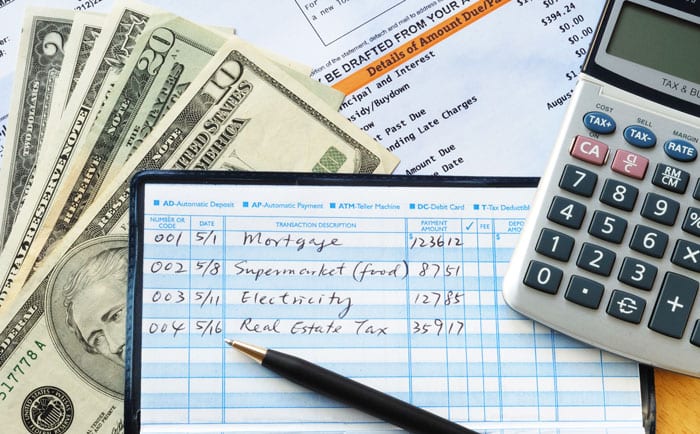
Many people view budgeting as an exercise in deprivation, associating it with strict spending bans, endless spreadsheet data entry, and a joyless daily routine. In reality, a well-constructed budget is a tool for empowerment rather than restriction. It provides clarity, intentionality, and structural control over personal finances. Instead of wondering where your money disappeared at the end of the month, a budget tells your money where to go in advance.
Saving money without a structured spending plan is rarely sustainable. Relying on leftover funds at the end of a pay cycle often leads to disappointment because unallocated cash naturally finds a way to be spent on convenience items, impulse purchases, and minor recurring fees. Developing a disciplined budgeting framework transforms saving from a passive hope into an active, automated financial system.
The Psychological Shift from Passive to Active Saving
A common personal finance mistake is saving through subtraction rather than intentional allocation. Under the passive method, an individual earns an income, pays fixed bills, spends freely on everyday lifestyle desires, and resolves to transfer whatever remains into savings. This approach almost always fails because lifestyle expenses expand to consume available liquidity.
Budgeting introduces the pay yourself first principle, reversing this counterproductive cycle.
-
Intentional Resource Allocation: By determining your savings targets before allocating funds to discretionary categories, savings become a mandatory line item alongside rent, utilities, and debt payments.
-
Reduction of Financial Anxiety: Financial stress is often triggered by ambiguity rather than a lack of income. Knowing the exact limits of your spending categories eliminates the guilt associated with discretionary purchases.
-
Elimination of Mental Accounting Errors: Without a written spending plan, people tend to overestimate their account balances and underestimate their cumulative daily spending, leading to frequent budget shortfalls.
Establishing clear boundaries gives every dollar an objective purpose, transforming sporadic efforts into predictable monthly growth.
Exposing Hidden Cash Leaks and Structural Inefficiencies
One of the most immediate benefits of establishing a budget is the discovery of hidden cash leaks. Small, repetitive expenses often escape casual notice, yet their cumulative impact can severely restrict your ability to build wealth over time.
Identifying Recurring Subscriptions and Digital Clutter
Modern subscription billing models are specifically designed to be forgotten. Recurring charges for streaming entertainment packages, unused fitness memberships, software trials, and cloud storage subscriptions quietly siphon cash out of checking accounts each month. A systematic budget audit forces an itemized review of all bank and credit card statements, highlighting redundant services that can be canceled immediately.
Curbing Convenience Premiums and Micro-Transactions
Daily micro-transactions, such as ordering restaurant delivery, purchasing midday snacks, or paying expedited delivery surcharges, compound into thousands of dollars annually. Budgeting does not require eliminating these conveniences entirely; rather, it makes their true cost visible. Assigning a dedicated cap to convenience categories forces deliberate choices between short-term comfort and long-term financial security.
Minimizing Avoidable Financial Fees
Unstructured cash management frequently triggers late payment penalties, banking maintenance charges, overdraft fees, and high credit card interest charges. A structured budget aligns bill due dates with payroll schedules, preventing costly administrative oversights.
Selecting a Budgeting Method That Matches Your Lifestyle
There is no universal budgeting method that works for every individual. The right budgeting system is the one you can consistently maintain over months and years without feeling overwhelmed.
The 50/30/20 Proportional Framework
Popularized for its simplicity, the proportional framework divides your after-tax net income into three broad buckets:
-
50 Percent for Essential Needs: Covers non-negotiable survival obligations, including housing, utilities, basic groceries, transportation, insurance, and minimum required debt payments.
-
30 Percent for Lifestyle Wants: Dedicated to non-essential expenses that enhance quality of life, such as dining out, entertainment, travel, and personal hobbies.
-
20 Percent for Financial Goals: Allocated directly toward building emergency reserves, paying down high-interest consumer debt, and funding long-term investments.
This framework is ideal for individuals who prefer a straightforward balance between living today and planning for tomorrow without tracking every transaction.
The Zero-Based Budgeting Model
Zero-based budgeting demands total precision. In this framework, your net income minus your allocated categories must equal exactly zero at the end of each planning cycle.
Every single dollar is assigned to a specific category, such as groceries, sinking funds, debt elimination, or retirement contributions. If an unexpected expense arises, money must be manually moved from another discretionary category to cover the difference. This model works exceptionally well for individuals who want complete control over their cash flow or those working to eliminate debt rapidly.
The Envelope and Category-Cap System
For those who struggle with digital overspending, the envelope system establishes physical or digital boundaries for variable spending categories. Once the designated cash or virtual limit for dining out or apparel is spent for the month, spending in that category ceases completely until the next cycle begins. This approach builds disciplined habits and eliminates impulse purchases.
Building Resilient Emergency Buffers and Sinking Funds
A primary reason traditional savings plans collapse is the occurrence of irregular, unbudgeted expenses. When an unexpected car repair, medical copay, or home maintenance bill arrives, people without a structured budget are often forced to liquidate their long-term savings or rely on high-interest credit cards.
A comprehensive budget incorporates two critical defensive mechanisms to protect your financial progress:
-
The Core Emergency Fund: A liquid reserve containing three to six months of essential living expenses, held strictly in a high-yield savings account for true unforeseen emergencies, such as unexpected job loss or severe medical events.
-
Targeted Sinking Funds: Dedicated holding accounts for predictable, irregular expenses that occur throughout the year. Examples include semi-annual auto insurance premiums, annual property taxes, vehicle maintenance, and holiday gift spending.
By breaking down large annual or semi-annual obligations into predictable monthly savings targets, sinking funds smooth out cash flow volatility. When these bills come due, the money is already available, ensuring your core savings remain untouched.
Automating the Savings Mechanism for Long-Term Growth
Willpower is an unreliable financial strategy. Relying on manual transfers at the end of the month leaves your savings vulnerable to emotional decision-making, retail temptations, and lifestyle creep.
Budgeting provides the clear numerical parameters necessary to automate your entire financial ecosystem.
-
Set up split direct deposits through your employer payroll to route a predetermined percentage of your paycheck directly into high-yield savings or investment accounts before it ever reaches your checking account.
-
Schedule recurring automated transfers for the morning after your primary payday to fund your sinking funds and retirement vehicles.
-
Establish automated bill payments for all fixed utilities and debt obligations to maintain a flawless payment history and avoid late penalties.
Automating your allocations removes friction from the process. Saving money becomes your default behavior, while discretionary spending is limited to whatever remains in your primary transactional account.
Frequently Asked Questions
How should I budget if my income changes from month to month?
If you have an irregular income from freelance work, commissions, or seasonal employment, calculate your baseline budget using your lowest-earning month from the prior year. Allocate that baseline income to cover essential needs and basic savings first. In months where you earn above your baseline, route the surplus into a designated buffer savings account to supplement leaner months or accelerate debt payoff and investments.
What is the difference between an emergency fund and a sinking fund?
An emergency fund is designed exclusively for unplanned, non-discretionary financial crises, such as sudden job loss or major medical emergencies. A sinking fund is an intentional savings category for planned, irregular expenses that you know will happen in the future, such as car maintenance, annual insurance premiums, or veterinary checkups.
How often should I review and update my household budget?
Perform a quick weekly check to log variable transactions and ensure you are staying within your weekly category caps. In addition, conduct a comprehensive monthly review at the end of each billing cycle to evaluate category performance, adjust for upcoming seasonal expenses, and calibrate savings allocations for the month ahead.
Should I prioritize paying off low-interest debt or building my savings first?
Before aggressively paying down any debt, establish a starter emergency fund of one to two months of basic living expenses to protect against unexpected shocks. Once that buffer is in place, focus on eliminating high-interest consumer debt, such as credit cards carrying interest rates above seven to eight percent. Low-interest debt, like fixed mortgages or low-rate student loans, can be paid on standard schedules while continuing to save and invest.
How can couples budget together effectively if they have different spending habits?
Couples can balance transparency and personal autonomy by using a combined budgeting structure. In this setup, both partners contribute a proportional share of their income to a joint account that covers shared household necessities, sinking funds, and joint savings goals. Each partner also maintains an individual account with a set monthly allowance for personal, discretionary spending that requires no justification or oversight from the other.
What is the most common reason people abandon their budgets within the first three months?
The most common reason for early budget abandonment is setting unrealistically restrictive spending targets. Completely eliminating entertainment, dining, and hobbies leads to spending fatigue, much like an extreme crash diet. Building a sustainable budget requires including a reasonable, guilt-free discretionary category so the plan remains practical and enjoyable over the long term.
How do I handle unexpected windfalls like tax refunds or work bonuses within my budget?
Treat financial windfalls with an intentional allocation formula rather than absorbing them entirely into lifestyle spending. A practical approach is the eighty-twenty rule: direct eighty percent of the windfall toward major financial milestones, such as debt reduction, emergency reserves, or retirement investing, and allocate the remaining twenty percent toward guilt-free personal enjoyment or family travel.
