

Credit is a foundational element in personal and business finance. It influences purchasing power, investment opportunities, and overall economic stability. At its core, credit represents the trust that lenders place in borrowers to repay borrowed funds according to agreed terms. Understanding how credit works, its types, and the strategies for managing it effectively is essential for maintaining financial health and building long-term wealth.
What Is Credit?
Credit is the ability to borrow money or access goods or services with the understanding that payment will be made in the future. It is a system that allows individuals, businesses, and governments to leverage financial resources before fully possessing them. Essentially, credit bridges the gap between immediate needs and available funds, enabling economic activity and growth.
Key components of credit include:
- Principal: The original amount borrowed.
- Interest: The cost of borrowing, typically expressed as a percentage.
- Term: The duration over which repayment is scheduled.
- Creditworthiness: The assessment of a borrower’s ability to repay debt, often evaluated through credit scores.
Credit is not only about borrowing money but also about establishing financial credibility. Responsible credit use builds trust with lenders, while mismanagement can lead to financial difficulties and reduced borrowing capacity.
Types of Credit
Credit can be categorized into various types depending on its usage, repayment terms, and structure. Understanding these distinctions helps individuals and businesses make informed financial decisions.
Revolving Credit
Revolving credit allows borrowers to access funds up to a predefined limit, repay partially or fully, and borrow again. Common examples include:
- Credit Cards: Enable flexible purchases and short-term borrowing with varying interest rates.
- Lines of Credit: Offered by banks or financial institutions, lines of credit provide liquidity for personal or business use.
Key features of revolving credit include variable interest rates, flexible repayment, and the ability to carry a balance month-to-month.
Installment Credit
Installment credit involves borrowing a fixed amount of money and repaying it in regular installments over a specified term. Examples include:
- Personal Loans: Unsecured loans for personal expenses.
- Auto Loans: Financing for vehicles with set repayment schedules.
- Mortgages: Long-term loans used to purchase real estate.
Installment credit provides predictability in repayment, helping borrowers plan their finances effectively.
Open Credit
Open credit requires full repayment of borrowed funds at the end of each billing cycle. Utility accounts and charge cards often fall into this category. This type of credit encourages disciplined financial management due to the absence of long-term repayment options.
Secured and Unsecured Credit
- Secured Credit: Backed by collateral, such as a house or car. If the borrower defaults, the lender can seize the asset to recover funds.
- Unsecured Credit: Does not require collateral. Lenders rely on the borrower’s creditworthiness and typically charge higher interest rates to mitigate risk.
The Role of Credit in Personal Finance
Credit plays a pivotal role in personal finance, influencing purchasing power, financial planning, and investment opportunities. Responsible credit use can provide several benefits:
- Access to Large Purchases: Credit enables individuals to acquire homes, vehicles, and education without immediate full payment.
- Liquidity Management: Provides flexibility to manage cash flow during unexpected expenses.
- Financial Leverage: Credit allows investors and entrepreneurs to leverage borrowed funds to generate returns exceeding the cost of borrowing.
- Credit History Building: Timely repayment of credit obligations builds a positive credit history, enhancing future borrowing potential.
Conversely, mismanagement of credit can lead to debt accumulation, increased financial stress, and a diminished ability to secure loans in the future.
Credit Scores: Measuring Creditworthiness
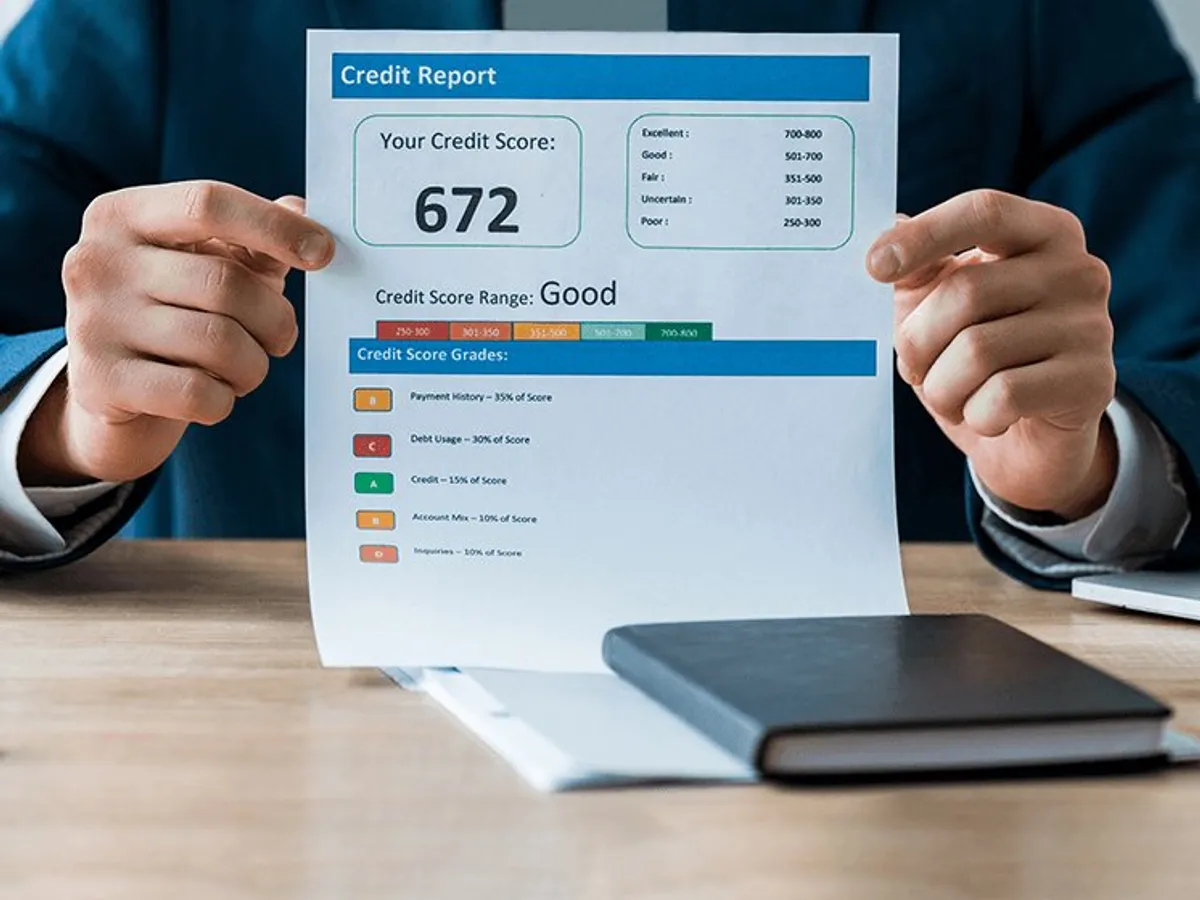
A credit score is a numerical representation of an individual’s creditworthiness. Lenders use credit scores to evaluate the risk associated with lending money. Factors influencing credit scores include:
- Payment History (35%): Consistently paying bills on time positively impacts scores.
- Credit Utilization (30%): The ratio of used credit to available credit, where lower utilization is favorable.
- Length of Credit History (15%): Longer histories demonstrate reliability.
- Credit Mix (10%): Diverse types of credit, such as revolving and installment, indicate adaptability.
- Recent Credit Inquiries (10%): Frequent credit applications may lower scores, signaling potential financial instability.
In the United States, FICO scores range from 300 to 850, with higher scores indicating better creditworthiness. Maintaining a strong credit score provides access to lower interest rates, better loan terms, and increased financial opportunities.
Credit Management Strategies
Effective credit management is critical to maintaining financial stability and avoiding excessive debt. Key strategies include:
Monitor Credit Reports
Regularly reviewing credit reports ensures accuracy and identifies potential errors or fraudulent activity. Borrowers in the U.S. can access reports from the three major credit bureaus: Equifax, Experian, and TransUnion.
Timely Payments
Prioritizing on-time payments reduces late fees, maintains a positive payment history, and prevents adverse impacts on credit scores.
Maintain Low Credit Utilization
Using less than 30% of available credit demonstrates responsible borrowing behavior and positively influences credit scores.
Limit New Credit Applications
Excessive credit applications can be interpreted as financial instability. Apply for credit judiciously to avoid unnecessary inquiries.
Diversify Credit Types
Managing different types of credit, such as credit cards, installment loans, and mortgages, signals financial adaptability to lenders.
Plan for Debt Repayment
Create structured repayment plans, focusing on high-interest debt first, to reduce financial burden and minimize interest costs.
The Impact of Credit on Businesses
Credit is not only vital for individuals but also serves as a cornerstone of business finance. Companies rely on credit to:
- Finance Operations: Short-term credit lines fund inventory purchases, payroll, and operational expenses.
- Invest in Growth: Businesses can leverage loans for expansion, equipment acquisition, or research and development.
- Build Supplier Relationships: Establishing credit with suppliers facilitates favorable payment terms and enhances business credibility.
- Manage Cash Flow: Credit provides liquidity to handle fluctuations in revenue or seasonal demand.
Business credit is evaluated through financial statements, credit reports, and payment histories, similar to personal credit assessments.
Credit in the Global Economy
Credit is fundamental to the functioning of modern economies. It facilitates consumer spending, supports business investment, and stimulates economic growth. Key economic impacts include:
- Consumer Spending: Access to credit increases purchasing power, driving demand for goods and services.
- Business Expansion: Credit allows firms to invest in capital, technology, and workforce development.
- Interest Rate Influence: Central banks adjust interest rates to manage credit availability, influencing borrowing behavior and economic activity.
- Financial Stability: Prudent lending practices and credit monitoring are essential to prevent economic crises stemming from excessive debt accumulation.
Understanding credit’s macroeconomic role helps individuals and businesses anticipate financial trends and make strategic decisions.
Risks and Challenges Associated with Credit
While credit offers numerous benefits, it also carries risks that must be managed:
- Debt Accumulation: Excessive borrowing can lead to unsustainable debt levels and financial strain.
- Interest Rate Volatility: Fluctuating interest rates can increase borrowing costs for variable-rate loans.
- Fraud and Identity Theft: Unauthorized use of credit can result in financial loss and credit damage.
- Economic Downturns: Recessions and market instability can affect credit availability and repayment capacity.
- Overreliance on Credit: Relying heavily on credit instead of income or savings can compromise financial security.
Mitigating these risks requires responsible borrowing, regular monitoring, and financial planning.
Future Trends in Credit
The credit landscape is evolving due to technological advancements, regulatory changes, and shifting consumer behaviors. Emerging trends include:
- Digital Lending Platforms: Online platforms streamline loan applications, approvals, and disbursement, increasing accessibility.
- Artificial Intelligence and Analytics: AI enhances credit risk assessment, fraud detection, and personalized lending solutions.
- Alternative Credit Scoring: Non-traditional data sources, such as utility payments and social behavior, are increasingly used to assess creditworthiness.
- Sustainable Financing: Lenders are integrating environmental, social, and governance (ESG) criteria into credit evaluation.
- Blockchain Technology: Provides secure, transparent, and tamper-proof recordkeeping for credit transactions.
Adapting to these trends allows individuals and businesses to optimize credit use and stay competitive in the evolving financial landscape.
FAQs About Credit
What is the difference between secured and unsecured credit?
Secured credit requires collateral, such as a car or home, to back the loan, reducing lender risk. Unsecured credit has no collateral and often carries higher interest rates due to increased risk.
How does credit utilization affect my credit score?
Credit utilization is the ratio of your outstanding debt to your total available credit. Lower utilization, generally below 30%, indicates responsible borrowing and positively influences credit scores.
Can I improve my credit score quickly?
While significant improvements take time, paying down high balances, making timely payments, and correcting errors on credit reports can lead to noticeable improvements over several months.
What factors do lenders consider when granting credit?
Lenders evaluate credit history, income stability, existing debt, employment status, and overall creditworthiness to assess the risk of lending.
How does business credit differ from personal credit?
Business credit reflects a company’s financial reliability and ability to meet obligations. It is evaluated through corporate financial statements, trade accounts, and credit bureau reports, distinct from personal credit scores.
